
Food & consumer goods
Forecasts set at the national level, and SKUs that miss by 20% either way.
Fewer short shipments and emergency buys, and less cash parked in the wrong warehouse. Built on the ERP, warehouse, and transport systems you already run, with your planners approving every move.
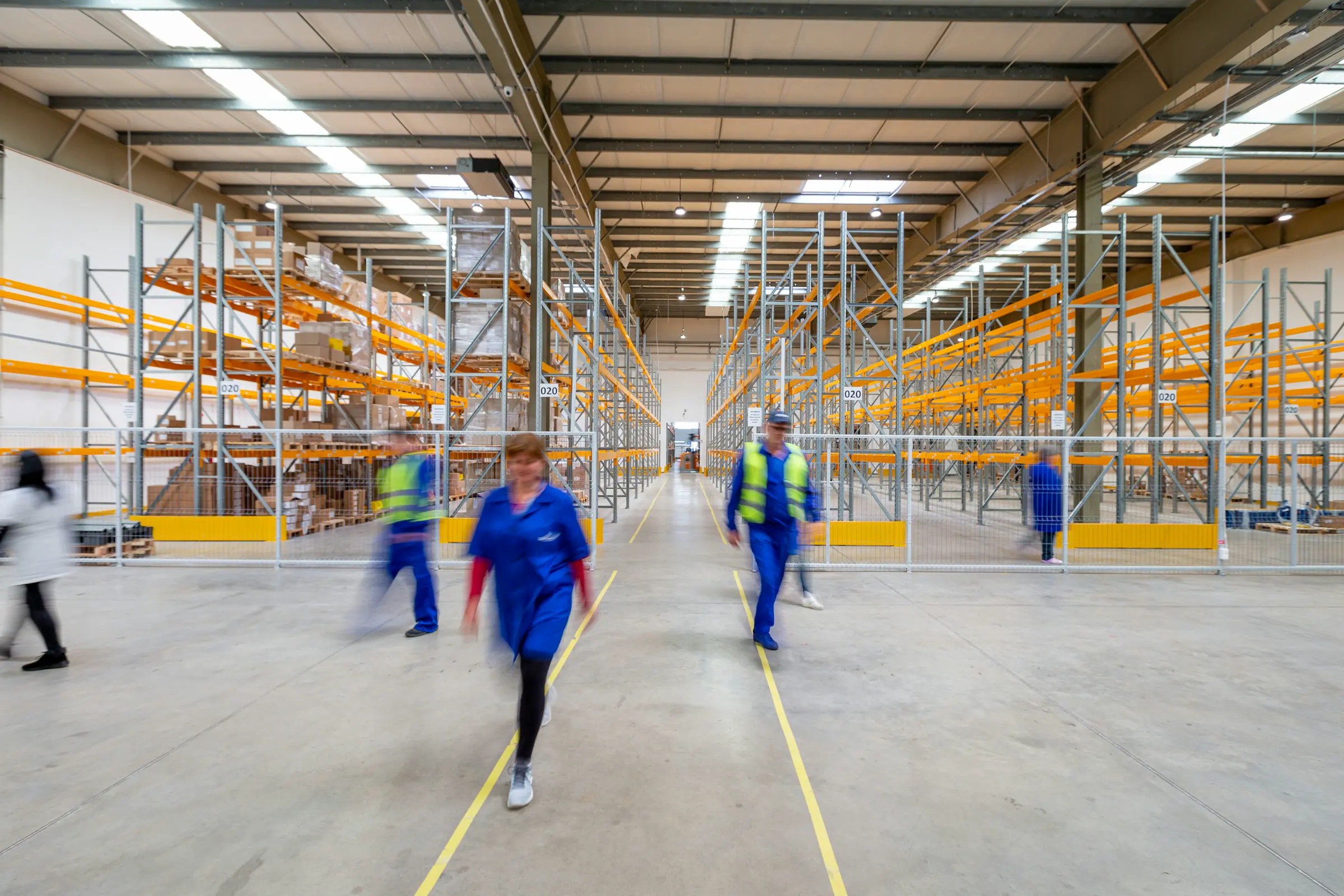


From the demand plan to the freight bill, every stage leaks money somewhere. Each one links to the capability that delivers it.
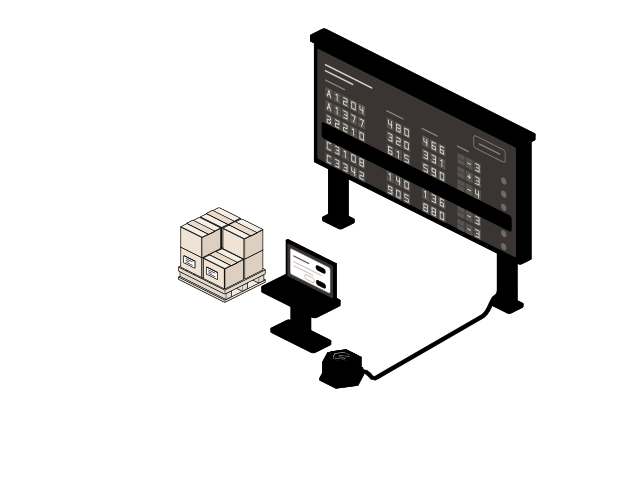
Forecasts are set nationally, and the misses show up SKU by SKU, as emergency buys. We forecast by SKU, customer, and warehouse, read in typhoon warnings and promos as they happen, and send planners only the SKUs going off forecast.
A supplier confirms short, and nobody knows until the truck is at the dock. We check each confirmation against the open PO as it arrives, and draft cover from other stock before the truck is due.
One island runs short while another warehouse holds twice what it needs. We flag stockout risk weeks ahead with the transfer drafted, and catch batches near expiry while there’s time to sell them.
Freight and supplier bills are checked by hand, against paper delivery receipts. We check invoices against the PO and goods receipt, and freight against the rate and signed receipt, leaving your team only the lines that fail.

20–35%20–35%less inventory variance
Forecasts are set nationally, and the misses show up SKU by SKU, as emergency buys. We forecast by SKU, customer, and warehouse, read in typhoon warnings and promos as they happen, and send planners only the SKUs going off forecast.
20–35%20–35%less inventory variance
A supplier confirms short, and nobody knows until the truck is at the dock. We check each confirmation against the open PO as it arrives, and draft cover from other stock before the truck is due.
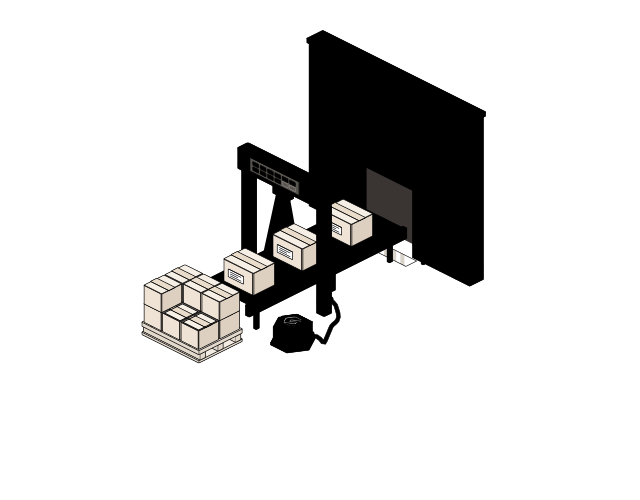
One island runs short while another warehouse holds twice what it needs. We flag stockout risk weeks ahead with the transfer drafted, and catch batches near expiry while there’s time to sell them.
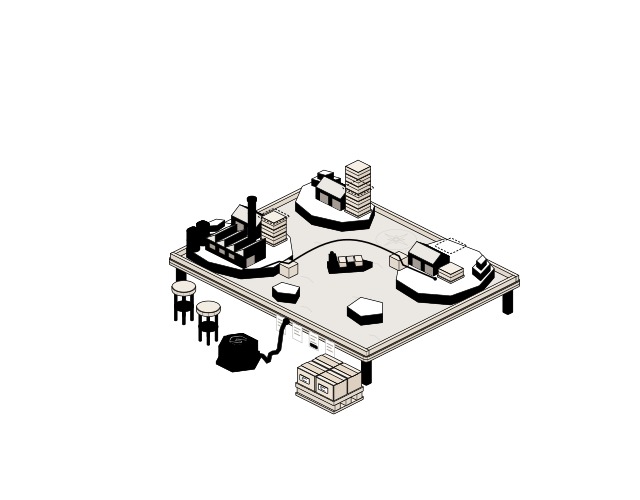
Freight and supplier bills are checked by hand, against paper delivery receipts. We check invoices against the PO and goods receipt, and freight against the rate and signed receipt, leaving your team only the lines that fail.
100,000+100,000+documents processed a month
We take on the forecasting, stock, and invoice work.
See AI for SAP
Each part of the chain runs short for its own reasons. We start from yours.
Forecasts set at the national level, and SKUs that miss by 20% either way.
Stockouts that start at the principal, and near-expiry stock nobody flags in time.
Replenishment run on history, and warehouses shipping to stores with no room for it.
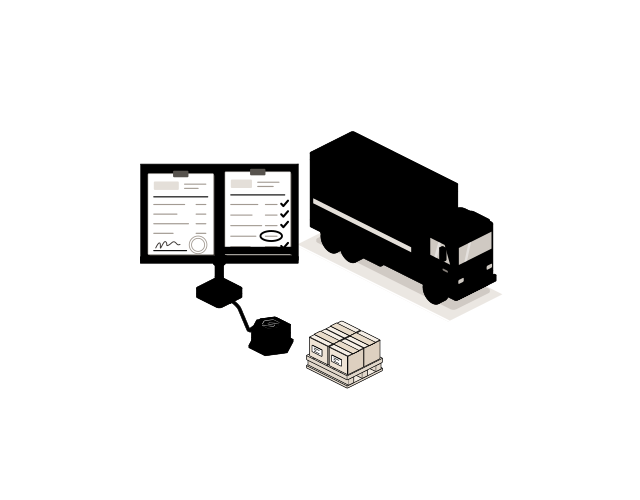
A delivery receipt for every drop, and freight bills checked against them by hand.
We baseline each one from your own systems, and agree the target with you, before anything is built. Then we test against how you work today.
How close the plan lands to what sells, SKU by SKU, back-tested against your plan on weeks the model hasn’t seen.
Orders shipped complete and on time, with pilot customers against the rest, week by week.
Cash sitting in stock, warehouse by warehouse. Modelled from the orders the new forecast would have placed, then measured live.
Rush orders inside the supplier’s lead time, and the premium paid on each, against the same months last year.
Stock and raw materials written off or marked down near their date, batch by batch, against last year.
Supplier and freight bills matched line by line, tested on past bills whose errors are already known.
We connect to your ERP, warehouse, and transport systems as they are. Nothing is replaced, and nothing changes in them until your team approves it.
We begin with the orders, stock, and shipments already in your systems. There is no hardware to install.
The agents run in your own cloud account, and your data never trains anyone else’s AI.
Every order and transfer comes with its reason. Nothing reaches your systems until a planner approves it.
Week 1
We pull orders, stock, and shipments from your ERP, warehouse, and transport systems, and fix what doesn’t match.
Week 2
We measure where short shipments, emergency buys, and expired stock cost you most.
Week 3
We forecast one region against your current plan, on your data, not a demo set.
Week 4
You get what to build first, what it’s worth, and what it costs.